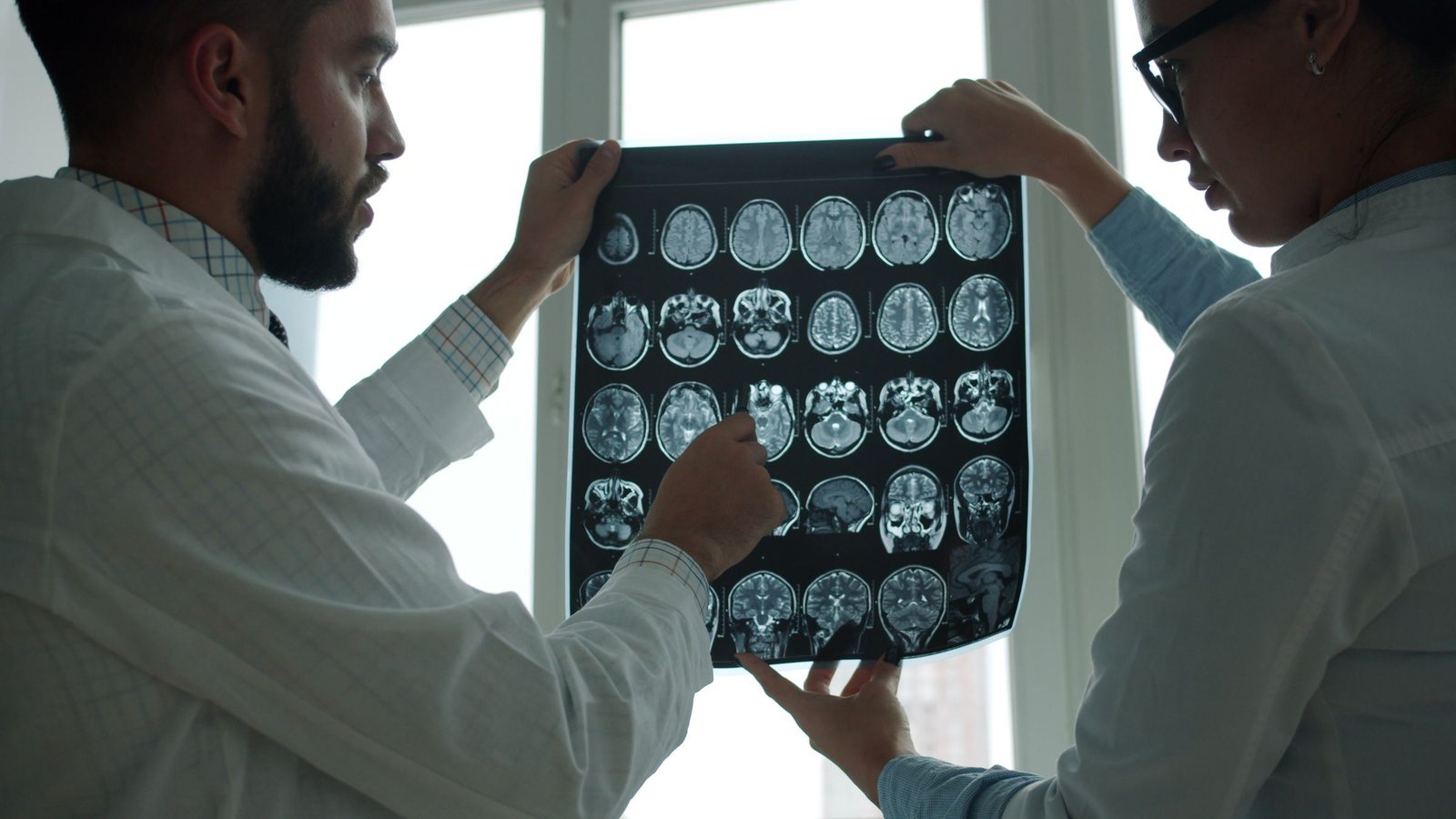

You can ask for help with your drinking without shame. An alcohol assessment without stigma is a respectful conversation about your use with a health professional.
An alcohol check is a start, not a final label. It helps you understand where you stand. Before you begin, ask how they handle your private info.
If you are unsure if your drinking is a problem, see our guide on recognizing signs of alcohol use disorder. If you are still unsure, our guide on binge drinking vs alcohol use disorder helps you understand the key differences. For a closer look at how habits shift, our guide to behavioral signs of alcohol use disorder details the changes to watch for.
We publish a U.S. treatment directory. We are not a treatment provider. This article is for information only.
Alcohol Assessment Without Stigma: A First Step
Getting an alcohol check is a simple first step. It does not mean you are in trouble. It also does not mean you must start long-term treatment right away. The goal is to get clear facts. This helps you make smart choices about your health.
Many people worry about being judged. You can fix this by setting the tone early. Ask your provider how they handle privacy and respect. This makes the visit feel safer and more collaborative.
- Pick a qualified health professional. Start with your primary care doctor or a community clinic. If you do not feel respected, ask for a different provider.
- Ask for the check using clear words. Say, "I'm concerned about my drinking and would like an assessment. I'm worried about being judged. Can you explain what will happen and how my information is handled?"
- Ask what the process looks like. Find out what questions they will ask and how long it takes. Also ask how they keep your data safe.
- Decide on next steps together. Talk about if you need a deeper look based on the results. You can pause or ask questions at any time.
The US Preventive Services Task Force says doctors should screen adults 18 and older for unhealthy alcohol use.[1] This is a normal part of preventive care, not a sign of failure. If the screen shows risky drinking, the USPSTF also recommends brief counseling to help reduce use.[2] Our guide to motivational interviewing alcohol explains how that brief counseling works and what to expect in the session.
You can take a confidential self-screening quiz before your visit if you want to prepare. Check the privacy details on that page first. This quiz is optional but can help you plan what to say to your provider. For a clearer picture of what happens after that, our guide to the first addiction assessment walks through the process.
Alcohol Screening and Alcohol Use Disorder Diagnosis
There are three main steps in getting help for drinking. They are not the same thing. Knowing the difference can lower stress.

11
symptoms are used to check for alcohol use disorder[3]
2
or more symptoms in a year may point to the condition[3]
Mild
severity means meeting 2 to 3 criteria[4]
These rules are for health professionals. They are not for you to use alone. Do not try to guess your own diagnosis. Talk to a pro who knows your full story.
| Step | Purpose | What May Happen | What It Means |
|---|---|---|---|
| Alcohol Screening | A first check for risky habits | You answer short questions about your drinks. | It spots risk but is not a diagnosis. |
| Fuller Assessment | A wider look at your health and habits | A pro talks through your history and goals. | It adds context but is not a final label. |
| Diagnosis | A formal medical decision | A clinician uses specific rules to decide. | It confirms if an alcohol use disorder is present. |
A low score on a screen does not mean you have an alcohol use disorder diagnosis. Some tools, like the AUDIT, look for harmful patterns but do not catch every case well.[5] Never rely on just one number. Share your results with a qualified professional.
Having two or more of the listed symptoms in the last year could signal an alcohol use disorder.[3] Doctors sort cases by how many signs you have. Mild is 2 to 3 signs, moderate is 4 to 5, and severe is 6 or more.[4] To learn more about this process, see how clinicians diagnose alcohol use disorder. Our guide to DSM-5 alcohol use disorder criteria explains each of the eleven signs clinicians use to make that call.
What an Alcohol Use Disorder Assessment May Cover
An alcohol use disorder assessment is a chat. It is not a test. The goal is to understand your life. The goal is to find the right help for you. You are not in trouble.
If a question feels hard, you can ask why it matters. You can also say you do not know. Or you can ask for a break. For more tips on talking to a doctor about drinking, see our guide. If medication is part of your plan, our guide to talking to a doctor about alcohol use covers what to say. If you are also using sedatives, our guide on how to tell doctor about benzo misuse helps you prepare for that conversation. Our guide on the stigma of benzodiazepine addiction offers support for seeking help without shame.
Alcohol Assessment Questions
Providers often ask how often and how much you drink. These are key parts of checking your use.[6] They may also cover:
- Do you drink more than you planned?
- How does drinking affect work or family?
- Do you have other health issues or meds?
- Why did you decide to seek help now?
It is okay if a topic feels heavy. You can tell the provider this. You can ask them to explain why they asked. These topics help build a picture of your health. They are not a strict list for labeling you.
Before the visit
Write down your main worries and questions.
During the chat
Talk about your drinking and health history. Clinicians check risk factors and signs to ensure safety.[7]
Afterward
Review what the provider learned. Ask about next steps.
This is a general flow. The exact steps can change based on your needs.
What I Want to Share or Ask
Your ticks are saved on this device only.
Bring these notes if it helps. Or keep them private if that feels safer. There is no wrong way to prepare.
Alcohol Assessment Confidentiality: What to Ask
Privacy rules vary by setting. Not every assessment, website, or provider has the same protections. HIPAA applies to covered entities and business associates, while other privacy rules may apply to some substance-use-disorder treatment records. Because alcohol assessment confidentiality depends on where you seek help, it is best to ask specific questions before sharing sensitive information.

| Ask the provider | Why it matters |
|---|---|
| Who can access my records? | This clarifies who sees your information within the organization. |
| How will my information be used for treatment or billing? | Understanding usage helps you know how your data supports your care and payments. |
| Do special substance-use-record protections apply here? | Some settings follow stricter rules for substance use disorder records than general health laws. |
| What exceptions or limits exist to my privacy? | Knowing the limits helps you understand when information might be shared legally. |
Do not assume that one privacy rule covers every setting. Asking these questions helps you make an informed choice about where to get support.
Signs of Alcohol Use Disorder and Contributing Factors
Noticing changes in your drinking can be the first step. An assessment helps a professional see the full picture.
Signs of Alcohol Use Disorder
Common signs of alcohol use disorder include drinking more than you planned. You might drink for a longer time than you meant to. You may try to cut down but fail. You might feel a strong urge to drink. Or you may keep drinking even when it causes problems.[3]
These signs look different for each person. A clinician checks the pattern over time. They do not judge one single act. One sign does not prove a diagnosis. Only a professional can tell what is happening with your health. If you want to spot how drinking shows up in the body, our guide to physical signs of alcoholism lists what to watch for.
Factors That Can Contribute
Many things can affect how alcohol impacts you. Family history and genes can raise your risk.[4] Your overall health may also play a role. Personal situations matter too. Social and environmental conditions can be relevant as well. Our guide to risk factors for alcohol addiction breaks down the personal and environmental elements that shape your risk.
No single factor guarantees alcohol use disorder. These parts work together in complex ways. None of them mean it is your fault. Understanding these factors is why a full check is helpful.
Alcohol and Mental Health
Many people dealing with alcohol also experience mental health challenges. This combination is often called a dual diagnosis. It means a person has both a substance use disorder and a mental health condition at the same time.

During an assessment, you can discuss both your drinking and your emotional health. A qualified professional will look at the full picture. They will not assume that one issue caused the other. Sometimes, more than one diagnosis is considered when appropriate. You do not need to figure this out on your own.
The National Institute on Drug Abuse notes that the high rate of co-occurring substance use and other mental disorders shows the need for an integrated approach to identify and treat these disorders at the same time.[8] This means your care team can address both needs together.
If you are worried about what an assessment might reveal, you are not alone. Anxiety about getting a label is common. You can learn more about managing those feelings in our guide on coping with fear of a diagnosis.
What May Happen After an Assessment
An assessment does not lock you into a program. The next steps depend on what the clinician learns. They also depend on what you want to do.
Here are some common next steps:
- More questions: The provider may ask for more details.
- Short talks: You might get brief advice or skills.
- Referral: They may suggest a deeper check by a specialist.
- Treatment talk: You can discuss options. NIAAA lists behavioral treatments and medicines as key approaches for alcohol use disorder.[4]
You are in charge of these choices. You can ask questions. You can take time to think. Or you can choose to do nothing now.
Supporting Someone Else
If you are helping a friend or family member, focus on actions. Do not use labels. Mention specific things that worry you. For example, note if they miss work or hide bottles.
Ask what kind of support feels helpful to them. Offer practical help, like looking up options together. Respect their choices unless there is immediate danger. This page focuses on alcohol checks. For other drug issues, please talk to a professional directly.
You can also call SAMHSA’s National Helpline at 1-800-662-4357. It offers free, confidential treatment-referral and information services.[9] It is open 24 hours a day, 7 days a week.[10]
Choosing Your Next Step
This guide is for information only and cannot diagnose alcohol use disorder.
When to Seek Urgent Help
A routine alcohol assessment is not the right path if you are facing a medical emergency, immediate danger, or serious withdrawal symptoms. Please seek urgent help right away.

If you are worried about withdrawal symptoms, learn more about when medical detox is necessary. You can also find nonjudgmental treatment options to support your recovery safely. For practical tips on this conversation, see our guide to talking with a doctor about substance use and withdrawal.
Frequently Asked Questions
Who can assess me for alcohol use disorder?
Your primary care doctor is a good place to start. Specialists in addiction or mental health can also help. Ask what their role is. Find out if they can follow up or refer you for more care.
What should I know about alcohol assessment confidentiality?
Privacy rules depend on who helps you. They also depend on which laws apply. Ask who can see your records. Ask how your info might be shared. Learn about any exceptions before you start.
What are the four C’s of addiction?
People sometimes use this phrase to mean craving and loss of control. It also covers compulsion and using despite bad results. This is not a screening tool. It is not a substitute for a professional check-up. Only a clinician can diagnose you.
How can substance use affect adolescents?
Effects vary by person and substance. Starting to drink before age 15 raises the risk of later alcohol issues.[12] Do not assume adult rules apply to teens. Seek guidance suited for young people if you are worried.
Is one mental illness most associated with addiction, or is there a “worst” mental disorder?
There is no single ranking of severity. The answer depends on the person and their needs. Focus on symptoms and safety. Look at daily function and access to care. Do not compare diagnoses against each other.
Can someone have multiple mental-health diagnoses?
How can I support someone with a drug-use problem?
Use respectful words and listen well. Avoid labels or shame. Ask what kind of help they want to try. Offer to help them find a doctor or treatment info. Call for urgent help if someone is in danger now.