
Using benzodiazepines and opioids at the same time can be dangerous. Both kinds of drugs slow your brain and body. Together, they can cause extreme sleepiness. They may also slow your breathing to a harmful level. This can lead to a coma or a fatal overdose.
This danger remains even if a doctor prescribed both drugs. No single mix is guaranteed to be safe. Waiting a certain time does not ensure safety for everyone. This guide shows why this combination carries risk. It also covers other substances that make it worse, and how to respond if an overdose happens.
We are a treatment directory that looks into public health sources. We do not provide medical care. Talk with your doctor or pharmacist about your specific medicines.
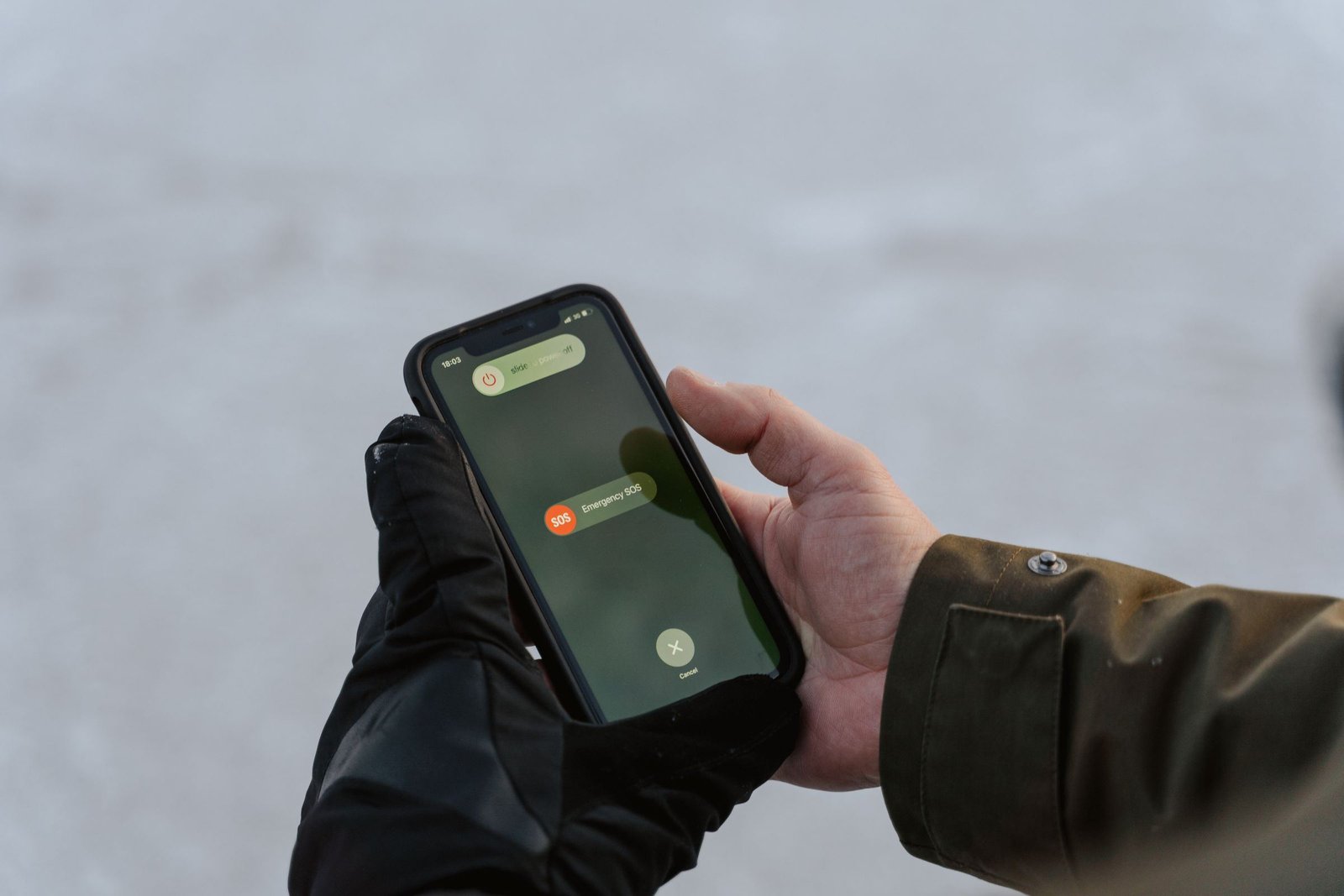
If you think someone has taken too much, or if they are hard to wake up or breathing strangely, call 911 or go to the nearest emergency room now. If you are having thoughts of suicide, call 911 or go to the nearest emergency room now, or call or text 988.
How These Drugs Can Slow Down Breathing
When you take them together, the effects stack. You may feel very drowsy. Your breathing can become too shallow to keep you alive.[1]
Because of the serious dangers, the FDA requires strong warnings on these medicines.Combining them can lead to respiratory depression, coma or death.[2] If someone takes both and has shallow breathing, stops breathing or cannot be woken up, call 911 or go to the nearest emergency room now.
Researchers have studied how much this combination raises the risk of dying from an overdose. A large study of U.S. veterans linked current benzodiazepine prescriptions to higher risk. The adjusted hazard ratio for death from drug overdose was 3.86, compared with having no such prescription.[3] This number comes from a population study. This finding reflects a statistical link across a group. It does not forecast outcomes for any one person.
3.86
adjusted hazard ratio for overdose death with current benzodiazepine prescriptions in a veterans cohort (study association, not individual prediction)[3]
Anyone taking these drugs should understand the specific dangers of sedatives. Our guide to benzodiazepine overdose risks has more about the signs and risks.
Recognizing and Responding to a Suspected Overdose
If you think someone is overdosing, act right away. Signs may include pinpoint pupils, trouble waking them, and slow or shallow breathing.[4] See our guide on signs of a drug overdose for more details.

Naloxone can undo opioid effects. It does not work on benzodiazepines or other sedatives.[4] Combining these drugs slows breathing more.So, emergency care is always needed. This happens even if you give naloxone.
FDA guidance says to give naloxone if you think someone is overdosing. Always call 911 or go to an emergency room right away.[5] You cannot hurt someone by giving naloxone if they haven’t taken opioids. So, do not wait to see if it works before getting help.[5]
What to Do During a Suspected Overdose
Your ticks are saved on this device only.
Identify Medications and Other Drowsy Drugs
Confusing brand and generic names can make it hard to know a drug's class. For instance, Xanax is a brand name for alprazolam, which is a benzodiazepine. Oxycodone is an opioid, not a benzodiazepine. Knowing the class helps you spot risks when mixing them.
Examples of Opioids and Benzodiazepines
The table below shows common examples for each drug class. This list helps you spot certain medicines. It does not mean mixing them is safe. Ask your prescriber or pharmacist about your specific medications.
Watch for Other Drowsy Substances
Beyond opioids and benzodiazepines, other medicines and substances can slow down your breathing and increase overdose risk when mixed. These substances include: Our guide on valium and alcohol together explains how long effects last and what to watch for.
- Sleep medicines: Examples are zolpidem (Ambien) or eszopiclone (Lunesta).
- Muscle relaxants: Examples are cyclobenzaprine (Flexeril) or carisoprodol (Soma).
- Gabapentinoids: Examples are gabapentin (Neurontin) and pregabalin (Lyrica). The FDA warns that mixing these with opioids or other CNS depressants can cause respiratory depression. This risk is higher in older adults or those with poor lung function.[6]
- Alcohol: Alcohol can make the effects of benzodiazepines and opioids stronger. This raises the risk of extreme sedation and breathing issues.[1]
This list is not complete. Other substances can cause dangerous interactions. Since drug interactions can be harmful, a prescriber or pharmacist should check your exact medicines and substances to ensure safety.[7]
Why One 'Most Abused' List Can Be Wrong
You may see headlines naming the "most abused" drug. Without defining the group, timeframe, and meaning of abuse or misuse, no single “most abused” benzodiazepine is defensible. To be meaningful, prevalence or misuse figures need their source, data year, population, and definition. Rankings or search-result headlines are not reliable proof of which benzodiazepine is most abused.
Because they combine different kinds of use, these rankings can mislead. Misuse might involve taking a prescribed medicine in a way not directed. Using another person’s prescription might count as nonmedical use. Drugs made or sold illegally, such as fake pills, fall under illicit use.
Fake pills are a growing worry. If you take a pill thinking it is a benzodiazepine, but it contains fentanyl, the risk of overdose increases sharply. Learn more about the dangers of benzos laced with fentanyl.
Mixing things that slow breathing can be dangerous. Ask your doctor or pharmacist if you are unsure whether two substances are safe to use together.
People Who May Be At Higher Risk
Taking benzodiazepines and opioids together can raise the risk of harm due to certain factors. These include opioid doses of 50 morphine milligram equivalents (MME) per day or higher, being prescribed both opioids and benzodiazepines, respiratory conditions like COPD or obstructive sleep apnea, and a history of substance use disorder.[8] Older age is another concern, as experts advise avoiding starting benzodiazepines in older adults due to significant risks.[9]

The combination is not safe even if you lack these factors. This list is meant to help you prepare for a conversation with your doctor or pharmacist, not to calculate a safe dose. For more background on related dangers, read our guide on opioid addiction risk factors.
Medication Safety Discussion Checklist
Your ticks are saved on this device only.
Review Medications With a Pro Before Mixing Prescriptions
You may want to know if mixing diazepam and oxycodone is safe. You might also ask how long to wait after lorazepam before taking oxycodone. This guide cannot answer those questions. Safety depends on your health history and other meds. The same applies to asking if lorazepam and hydrocodone can be taken together. It also applies to what anxiety medicine goes with oxycodone. Only your prescriber or pharmacist can look at your exact situation.
The FDA tells clinicians to prescribe opioids and benzodiazepines together only when other options are not enough.[10] There is no general rule for how long to wait. Do not start, stop, skip, or change any prescribed medicine based on what you read online.
- Gather your full list. List every prescription drug, over-the-counter medicine, supplement, and sedating substance you take.
- Contact your prescriber or pharmacist. Call the clinician who prescribed the opioid or benzodiazepine. Talking with your pharmacist is another option. They can view your records and drug interaction databases.
- Ask for a specific review. Ask for an interaction review specific to the exact medications you take. Request that they talk with your other prescribers. This makes sure everyone knows what you are using.
- Follow only the advice given by your care team.Follow individualized instructions. They will tell you if the combination is appropriate for you or if alternatives are needed.
Clinicians must check each patient’s risk for abuse, misuse, and addiction before prescribing these drugs together.[11] Combining benzodiazepines with opioids calls for particular caution due to the risk of serious side effects.[11] If you have worries about your prescriptions, make an appointment to talk instead of changing them yourself.
Overdose and Withdrawal Need Different Responses
Spotting the difference lets you react quickly. The chart lists common signs, but it is not a diagnosis. Signs can seem similar. A doctor is the only one who can be sure. If you are not sure, treat it as an emergency.

| Possible Overdose Signs | Possible Withdrawal Symptoms |
|---|---|
| Slow or stopped breathing | Pain in muscles or bones[12] |
| Hard to wake up | Sweating and yawning[12] |
| Small pupils (opioids) or normal ones (benzos) | Diarrhea or vomiting[12] |
| Limp body and cold skin | Restlessness, anxiety, or trouble sleeping[12] |
If you think someone is overdosing, call 911 or go to the nearest emergency room now. Do not wait to see if they get better.
Then it stops receiving it. Benzodiazepines can cause physical dependence in just a few days or weeks.[11] That differs from addiction. Yet quitting abruptly is risky. It can cause seizures that may kill you.[11]
Never quit opioids or benzodiazepines by yourself. Speak to your prescriber first. They can create a safe plan for you.
Some signs of withdrawal are emergencies. To learn more about spotting these differences, see our guide on distinguishing withdrawal from overdose.
Find a Safer Path Forward
This tool helps you plan your next steps. It does not diagnose an overdose. It cannot tell if mixing drugs is safe. It is not a replacement for medical advice. If you see a danger sign, skip the quiz and act now.
What Is the Safest Next Step?
This self-check is for information only and isn't a diagnosis. No score means a drug combination is safe. If you have a danger sign, call 911 or go to the nearest emergency room now.
Frequently Asked Questions
What drugs should not be taken with benzodiazepines?
Alcohol can worsen the impact of benzodiazepines. It raises the risk of serious issues like deep sedation and breathing trouble.[1] Drug interactions may lower a drug's effect, cause surprise side effects, or boost a drug's action. Some can be harmful.[7] Do not rely on a general list instead of checking a specific medication. Have a prescriber or pharmacist review the exact benzodiazepine, other meds, and any alcohol or substance use.
What should you never mix with oxycodone?
Do not assume other sedating medicines or substances are safe with oxycodone. The FDA warns that taking gabapentinoids with opioids or CNS depressants can lead to respiratory depression. Older adults and those with poor lung function face higher risk.[6] Ask a prescriber or pharmacist about this specific mix. The review should cover gabapentin or pregabalin if you use either.
What anxiety medicine can be taken with oxycodone?
This guide cannot name any anxiety medicine as universally safe with oxycodone. Opioid and benzodiazepine prescribing info says to reserve combining them for patients with no good options. It also advises limiting doses. However, it does not set a universal safe wait time.[13] The answer relies on your exact medicines and situation. Ask a prescriber or pharmacist to check the combo instead of picking or changing meds from a general list.
How long after lorazepam can you take oxycodone?
Do not use a general wait-time rule to decide when to mix them. Prescribing info suggests saving combined use for patients lacking other options. It also says to limit doses to the lowest needed.[13] This guide cannot set a time frame for you. Ask the prescribing clinician or pharmacist to review your exact meds for personal advice.
Does naloxone work if benzodiazepines are also involved?
Naloxone can handle the opioid part but does not undo benzodiazepine effects. Naloxone nasal spray was approved for over-the-counter, nonprescription use in 2023.[14] Follow emergency-response steps if you suspect an overdose. If an overdose is suspected, call 911 or go to the nearest emergency room now, even if naloxone is available.
What are benzo vs. opioid overdose symptoms?
Possible opioid overdose signs include slow or shallow breathing and inability to wake. Benzodiazepine overdose may also involve severe drowsiness, confusion, or impaired coordination.[15] Symptoms are not a reliable way to rule out a mixed overdose. If an overdose is suspected, call 911 or go to the nearest emergency room now.
What should I know about opioid and benzodiazepine withdrawal?
Withdrawal is different from overdose, but do not abruptly stop or change prescribed benzodiazepine use without medical guidance. ASAM recommends that clinicians develop gradual tapering strategies that are individualized based on a patient’s response, rather than abruptly discontinuing benzodiazepines in physically dependent patients.[16] For seizures, severe confusion, hallucinations, a high fever or racing heart during withdrawal, call 911 or go to the nearest emergency room now.