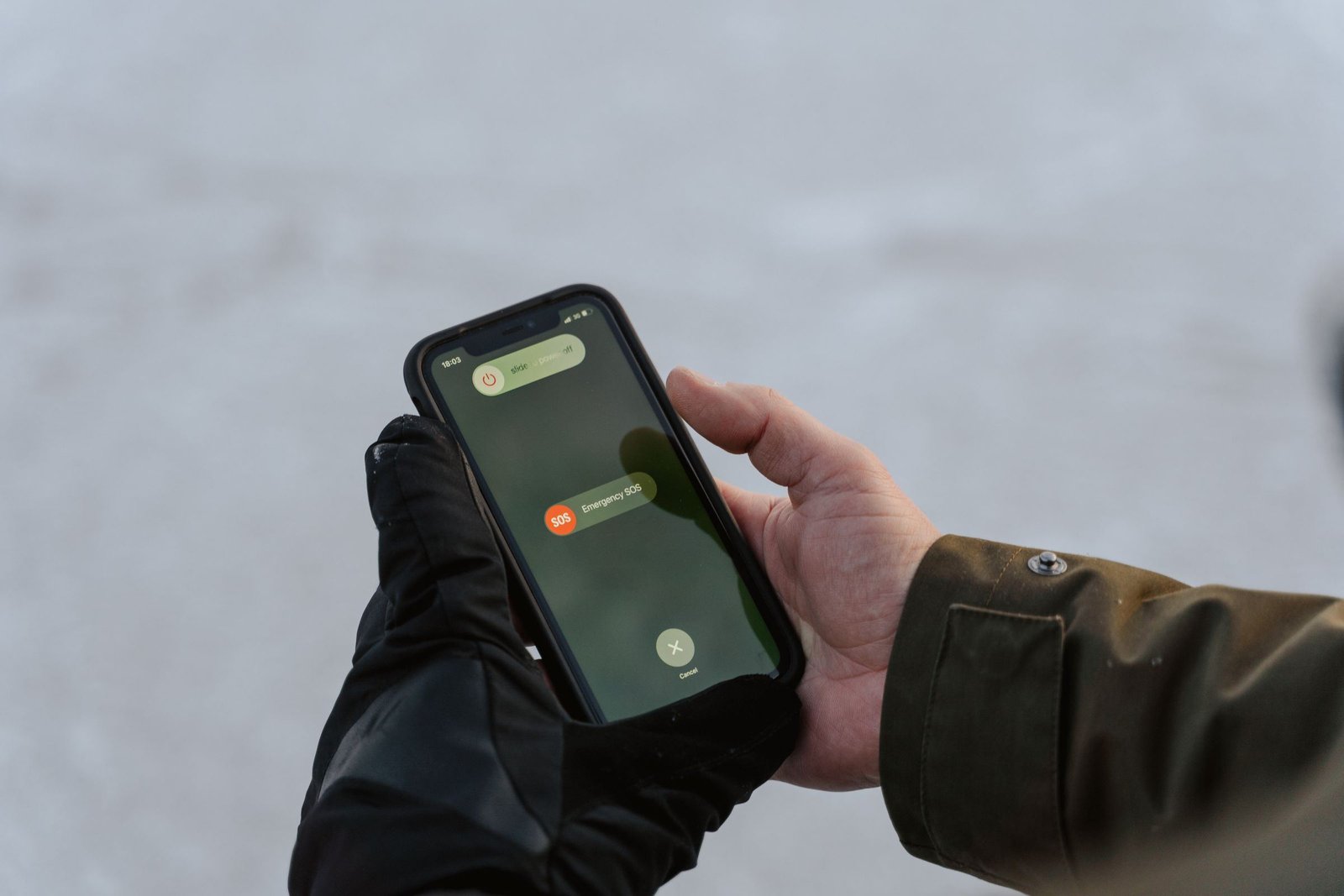
People taking buprenorphine may face nausea, vomiting, headaches, constipation, sweating, or trouble sleeping. How long these buprenorphine side effects last varies from person to person. If you have severe breathing problems or cannot wake up, call 911 or go to the nearest emergency room now. For suicidal thoughts, call or text 988.
We are a treatment directory, not a provider. This guide shares general info on US buprenorphine products for opioid use disorder, such as Suboxone. It is not personal medical advice. Talk with your prescriber about your specific needs.
Suboxone and Other Buprenorphine Products in This Guide
We focus on buprenorphine side effects from oral Suboxone products. These are used in buprenorphine treatment for opioid use disorder. The guide does not cover every medicine that has buprenorphine in it.
Buprenorphine treats opioid use disorder.[1] Yet the side effects you feel depend on the product form and its use. Do not take side effect lists from pain products and apply them to Suboxone, or the other way around.
| Product/Form | General Labeled Use | Why Side Effects Differ |
|---|---|---|
| Transdermal buprenorphine patch | Pain management | Designed for chronic pain, not addiction treatment. Side effects may vary by dose and duration. |
Read our guide on starting Suboxone safely if you have questions about starting treatment. This article covers human treatment in the United States. It does not address veterinary use or international formulations.
Buprenorphine Side Effects You May See With Suboxone
This medicine, Suboxone, contains two active parts: buprenorphine and naloxone.[2] The FDA label notes effects often seen with it. These include headache, nausea, vomiting, constipation, sweating, insomnia, withdrawal symptoms, pain, and swelling in the hands or feet.[2] For details on how appetite and fluid retention affect your body, read our guide to suboxone weight gain.

2
active ingredients in Suboxone: buprenorphine and naloxone[2]
Product labels and studies are where these numbers come from. They do not show your personal risk. Every body reacts in a different way.
| Possible Effect | What It Might Feel Like |
|---|---|
| Headache | A dull or throbbing pain in your head |
| Nausea or Vomiting | Feeling sick to your stomach or throwing up |
| Constipation | Infrequent or hard bowel movements |
| Sweating | Perspiring a lot, even when cool |
| Insomnia | Trouble falling asleep or staying asleep |
| Withdrawal Symptoms | Flu-like aches, anxiety, or restlessness |
| Pain | Discomfort in muscles or joints |
| Peripheral Edema | Swelling in hands, ankles, or feet |
The FDA label shows these possible effects.[2] Not everyone gets these side effects. If you notice new symptoms, talk to your prescriber. They can help you manage them safely.
Buprenorphine Side Effects: How Long They May Last
No one size fits all for how long buprenorphine side effects last. Your body reacts in its own way. Many factors shape how long a symptom sticks around. Doctors cannot promise a specific date or week when effects fade. If you are weighing other options, our guide to methadone maintenance treatment explains how that path compares. For those expecting a baby, our guide to opioid treatment during pregnancy covers medication options and withdrawal care.
It is also important to know that some side effects can look like withdrawal. For example, nausea, sweating, and restlessness can happen as medication effects, but they are also common signs of opioid withdrawal.[3] This overlap makes it hard to guess the cause on your own. Our guide to physical signs of opioid use disorder helps you distinguish these symptoms from medication side effects.
Notice a symptom
Pay attention to what you are feeling and when it started.
Record details
Write down the symptom, how it changes throughout the day, and any recent changes in your health or other medications.
Contact your prescriber
Reach out if the symptom gets worse, sticks around, or makes it hard to do your daily activities.
Follow their assessment
Your clinician will review your notes to determine the best next step for your care.
This process does not promise side effects will end on a set schedule. It gathers clear info so you and your provider can make safe choices together. If you are unsure if a feeling is a side effect or something else, ask your doctor. Do not wait to see if it goes away.
When to Seek Urgent Care for Buprenorphine Side Effects
You can manage most buprenorphine side effects. However, a few call for fast action. Spotting the difference keeps you safe.

| Symptom Pattern | Next Step |
|---|---|
| Worsening or persistent non-emergency effects | Contact your prescriber to discuss your symptoms and adjust your plan if needed. |
| New tooth pain, cavities, or other dental changes | Contact your dentist and your prescriber promptly. |
If you are unsure if it is an overdose, seek emergency care. It is better to check. You can learn more about recognizing overdose signs in our guide on recognizing overdose signs.
Drowsiness, Calming Effects, and Right-Away Safety
Dizziness or sleepiness may happen. These are possible buprenorphine side effects.[5] They can make it hard to stay alert. Drive or use heavy machines with care. Hold off until you see how your body reacts.
Learn how to tell usual fatigue apart from serious danger. If you are hard to wake up, call 911 now. If your breathing is slow or shallow, go to the nearest emergency room right away. Do not sit on signs while they get worse.
Combining Suboxone with alcohol or benzodiazepines increases risks. This mix can cause deep sedation and trouble breathing.[6] It can even lead to coma or death.[6] Never stop or change a prescribed medicine on your own. Talk to your doctor first.
Reach out to your prescriber if drowsiness sticks around for days. They can help shift your plan in a safe way.
Physical Dependence Differs From Addiction
It is common to worry about becoming dependent on a medicine. Physical dependence and addiction are two different things. Knowing this can lower your fear. It can also help you talk with your care team. To understand the difference, our guide to signs of opioid addiction explains what to watch for and how to assess risk.

| Feature | Physical Dependence | Opioid Use Disorder |
|---|---|---|
| What it is | Your body gets used to the medicine. | A condition where you lose control over use. |
| How it happens | It can happen when you take medicine as prescribed. | It involves using despite harm to your life. |
| Meaning | It is a normal body reaction, not addiction.[7] | It is a medical issue that needs care. |
Taking an opioid medicine as told can still lead to your body getting used to it.[8] That is not the same as addiction. The FDA says physical dependence and drug addiction are different.[7]
But be careful. Sudden stops can trigger withdrawal if your body is used to the medicine.[9] Do not alter your dose alone. Reach out to your prescriber if you feel worried. They can help you stay safe. You can also learn more about these terms in our guide on medication-assisted treatment explained. For a step-by-step approach to reducing your dose, see our guide on how to taper off buprenorphine safely.
Steps to Take When You See Buprenorphine Side Effects
You can usually manage most side effects. Do not ignore them, though. Share any new symptoms with your prescriber or pharmacist.
If you have seizures, severe confusion, or hallucinations, call 911 or go to the emergency room now. Also go if you have a high fever, a racing heart during withdrawal, or signs of an overdose. Call or text 988 for suicidal thoughts.
What to Tell the Prescriber
Your ticks are saved on this device only.
Have questions on using the film form of buprenorphine? Look at your prescription label. Also, read the official product instructions. Your pharmacist can safely show you the steps.
Check current info from the DEA or SAMHSA for wider policy details on medication-assisted treatment in the US. The SAMHSA National Helpline offers free, confidential treatment referrals.[10]
What Should I Do Next?
This self-check is for information only and isn't a diagnosis.
Naloxone can temporarily reverse an opioid overdose.[11] You still need emergency medical care after a suspected overdose.[11] Staying in buprenorphine treatment and recovery support helps your care team respond quickly if issues arise. Use find a buprenorphine provider near you to begin this talk today. Our guide to finding a buprenorphine prescriber covers verification steps and cost checks to help you choose a provider. If a relapse happens, our guide on what to do after relapse explains safety steps and how to restart treatment.
Frequently Asked Questions
What are the common side effects of Suboxone?
Common side effects include headache, nausea, vomiting, constipation, sweating, and insomnia. These reactions often fade as your body adjusts. If a symptom feels unusual or lasts a long time, talk with your clinician. They can help check if the medicine is the cause.
How long do buprenorphine side effects last?
There is no single timeline that fits everyone. Some effects go away quickly. Others take longer to settle. This guide does not promise a specific number of days. If symptoms are getting worse or hurting your daily life, call your prescriber. Do not wait for an arbitrary deadline.
Does Suboxone make you nod off?
Sleepiness can happen with buprenorphine treatment. If drowsiness is ongoing or gets in the way of your day, ask your prescriber for advice. Do not drive or use heavy equipment if you feel sleepy or impaired. If someone is hard to wake up or has slow, shallow breathing, get emergency help now.
Can buprenorphine medicines dissolved in the mouth cause dental problems?
Yes, some buprenorphine medicines dissolved in the mouth can cause dental issues like cavities and gum disease. This warning does not apply to every form of buprenorphine. The FDA says to rinse your mouth with water after the medicine dissolves.[12] Swallow the rinse and wait at least one hour before brushing teeth.[12] Tell your dentist about the medicine so they can help prevent problems.
Is buprenorphine addictive?
Physical dependence is different from opioid use disorder. Having a tolerance does not mean you have an addiction problem. The US Drug Enforcement Administration classifies buprenorphine as a Schedule III controlled substance.[13] This status reflects its regulatory standing and potential for abuse. It is not a diagnosis of addiction for people using it as prescribed.