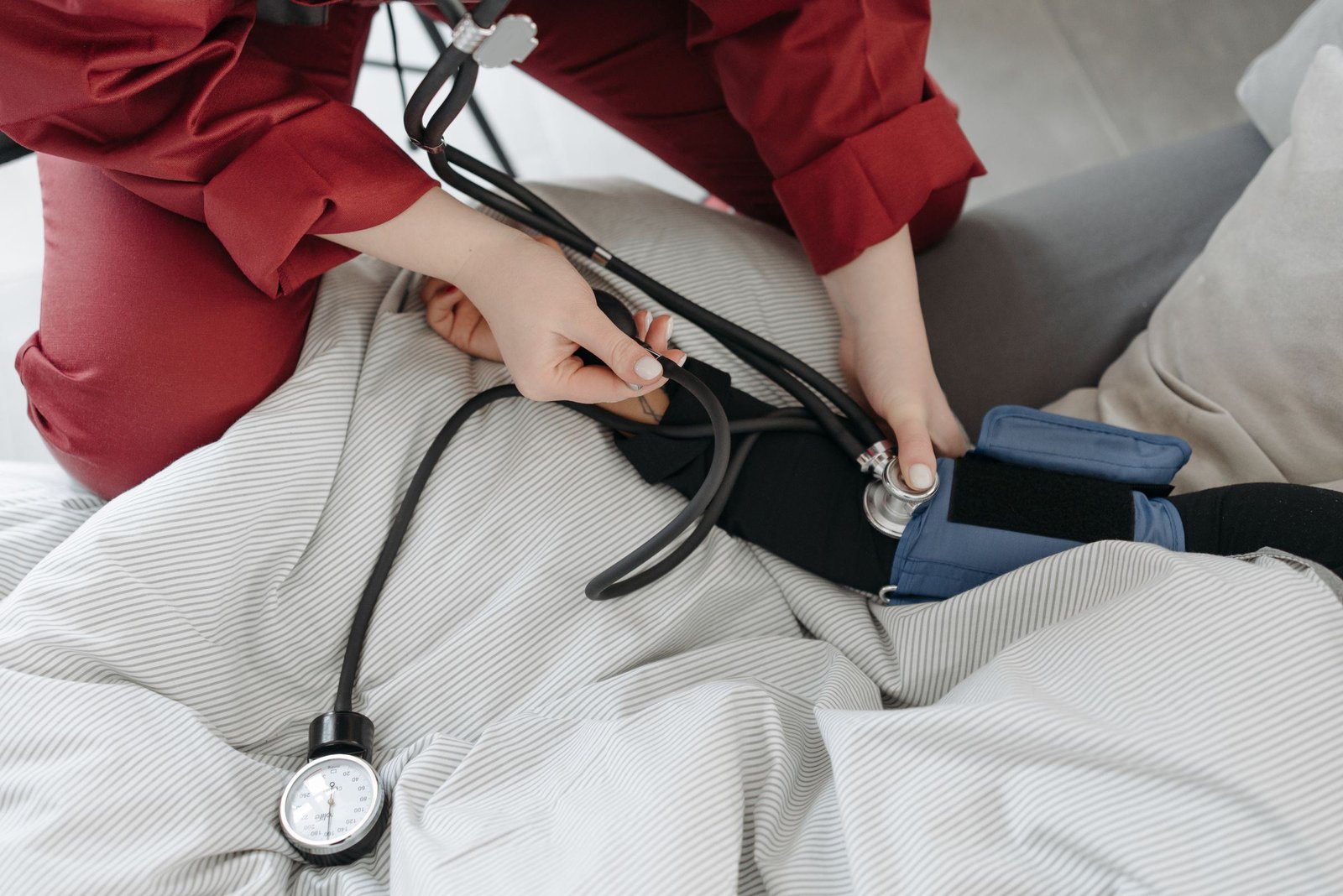
A drug withdrawal emergency means calling 911 or going to the ER now. Do this if you see a seizure, severe confusion, trouble waking or breathing, or suspect an overdose. You do not have to know the drug name first.
If someone is in danger or may hurt themselves, call 911. If you have suicidal thoughts but are safe, call or text 988.
If no emergency signs show up, speak with a doctor soon. They can help you find the right care. We run a treatment directory, not a treatment provider. Read our guide to finding drug detox care for next steps. If cannabis use causes severe nausea, our guide to cannabinoid hyperemesis syndrome explains the stages and when to seek care.
Drug Withdrawal Emergency: Signs You Need the ER
Do not drive to the hospital by yourself. Call 911 now for a seizure, severe confusion, hallucinations, a high fever or racing heart during withdrawal, or any suspected overdose.
During alcohol withdrawal, seizures, fever, severe confusion, hallucinations, or irregular heartbeats require emergency care.[1] Stopping benzodiazepines suddenly after regular use can cause serious, potentially life-threatening withdrawal, including seizures or delirium.[2] For suspected opioid overdose, inability to wake or slow or shallow breathing are signs; call 911 now.[3] Do not wait to identify the drug. Our guide to stimulant withdrawal explains the mood shifts and safety steps that differ from other substances. If you are tracking a specific methamphetamine crash, our guide to meth withdrawal symptoms timeline details the stages. For cocaine specifically, our guide to the cocaine withdrawal symptoms timeline outlines the stages and when to seek help. If synthetic cannabinoids are involved, our guide to the dangers of K2 synthetic marijuana explains the unique risks and safety steps.
- Spot the danger. Watch for the emergency signs listed above.
- Call 911 now. Follow the dispatcher's instructions and stay with the person.
- Tell responders what happened. Mention possible withdrawal or overdose.
For thoughts of suicide or self-harm, call or text 988 now. If the person may act soon or is in immediate danger, call 911 now.
What Is the Safest Next Step?
This self-check is for information only and isn't a diagnosis. Any danger sign means emergency help now.
Risky Signs of Drug Withdrawal Emergency Vary by Drug
Care plans are built by checking biomedical, psychological, and social factors for each person.[4] Never use the time of day to judge if symptoms are safe.

Withdrawal from alcohol can be life-threatening.[5]
6–24 hours
after stopping or cutting back, alcohol withdrawal symptoms typically begin[6]
8–48 hours
after the last drink, alcohol withdrawal seizures can occur[6]
72–96 hours
after the last drink, alcohol withdrawal delirium often appears[6]
These times are estimates for alcohol withdrawal only. They do not predict an individual case.[6] This is not a safe wait time. Do not wait for a specific symptom to show up before seeking help.
For any substance, call 911 or go to the nearest emergency room now for danger signs, including seizures, severe confusion, hallucinations, a high fever or racing heart during withdrawal, signs of an overdose, or immediate danger from suicidal thoughts. If you have suicidal thoughts but are safe and not in immediate danger, call or text 988.
| Substance | Broad Risk Considerations | Safe Next Step |
|---|---|---|
| Alcohol | Seizures and delirium can occur during withdrawal.[6] | Call 911 or go to the nearest ER for danger signs. |
| Benzodiazepines | Withdrawal can be severe and potentially life-threatening.[2] | Without danger signs, contact a doctor promptly. |
| Opioids | Withdrawal can include vomiting and diarrhea.[7] | Without danger signs, contact a doctor or treatment program. |
| Stimulants | Suicidal thoughts without immediate danger: call or text 988. | For immediate danger or risk of acting, call 911 or go to the nearest emergency room now. |
If someone is pregnant, using multiple substances, has serious health issues, or feels worse, call a doctor right away. This is only if there are no danger signs. If danger signs show up, use the emergency steps above. See our guide on life-threatening alcohol withdrawal signs for more.
Withdrawal or Overdose? Act Fast When in Doubt
If you are unsure whether someone is experiencing withdrawal or an overdose, treat the situation as urgent. Warning signs should drive your decision, not just how much time has passed.
| Possible Withdrawal Signs | Possible Overdose or Other Emergency Signs |
|---|---|
| Alcohol withdrawal can begin after a person stops or substantially reduces alcohol use.[6] | Inability to wake up[3] |
| Opioid withdrawal can cause vomiting and diarrhea.[7] | Slow or shallow breathing[3] |
| Unresponsiveness or trouble breathing[3] | |
| Seizures, severe confusion, hallucinations, high fever, or racing heart[1][6] |
Action: When the person is stable and shows no danger signs, talk to a clinician or detox service right away about withdrawal care. If you see signs of overdose, call 911 or go to the nearest emergency room now.[3]
During suspected withdrawal, seizures, severe confusion, hallucinations, a high fever, or a racing heart are danger signs.[1][6] If any occur—or the person is unresponsive, cannot be woken, or has slow or shallow breathing—call 911 or go to the nearest emergency room now.[3] These signs require emergency evaluation regardless of whether withdrawal or overdose is suspected.
If you suspect an opioid overdose, call 911 right away.[3] If naloxone is available, give it and repeat it as directed by the product or dispatcher; this does not replace calling 911. While you wait for help, follow the dispatcher’s directions. Act now. Do not hold off to figure out the substance first.
Our guide on distinguishing withdrawal from overdose offers more detail on how these conditions differ. You can also review our guide on opioid overdose signs to learn more about critical warning signals. For a broader look at the body, our guide to physical signs of opioid use disorder explains what to notice. For immediate steps to take, our guide on drug overdose emergency signs explains how to respond when you suspect an overdose. Our guide to stimulant addiction signs covers withdrawal symptoms and warning signals specific to stimulants. If you are concerned about specific administration methods, our guide to the dangers of snorting tramadol explains the unique risks involved.
Drug Withdrawal Emergency: ER or Medical Detox?
How urgent the situation is decides where you should go. The ER deals with immediate, life-threatening risks. Medical detox gives supervised care to stable people. Once you choose a setting, our guide to drug withdrawal timeline explains what to expect during that phase of care. For a deeper look at specific drug withdrawal symptoms and how they evolve, see our detailed overview of what to watch for.

- Check for danger signs. If you see seizures or severe confusion, call 911 or go to the ER now.
- Call a clinician or program. If there are no danger signs, call a doctor or detox program. Describe the symptoms and ask if they can help.
- Confirm medical support. Before you travel, check what medical help is available at the facility.
- Watch for changes. If symptoms get worse, stop and get emergency help right away.
| Feature | Emergency Room | Medically Supervised Detox |
|---|---|---|
| Purpose | Fixes urgent medical issues and stabilizes critical conditions[8] | Manages withdrawal under supervision as part of broader care[9] |
| When to Go | When danger signs are present or the person is unstable | When the person is stable and a clinician confirms the program fits their needs[4] |
If you face an emergency, the ER is the right place to go. Hospitals must screen and stabilize patients with emergency conditions, even if they cannot pay.[8] This means what to expect during emergency addiction care includes quick safety checks and stabilization.
Medical detox works differently. It manages withdrawal symptoms under supervision. Ongoing treatment for substance use disorders is not always the same as it.[9] Continuing treatment, not standing alone, is what guidelines say withdrawal care should lead to.[9] Care levels are guided by individual assessments providers use.[4] Before you arrive, always check with a provider about managing specific symptoms. You can view our list of medically supervised detox programs to find local options. For specific risks, our guide to GHB withdrawal explains why medical supervision is critical for safety.
Locate Medical Detox Near Me: Get the Right Care
Getting the right care is a big step. If you have urgent symptoms, go to the emergency room or call 911 now. Do not hold off to search a directory. Do not hold off for an insurance approval. When cost feels like a barrier, our guide to drug detox without insurance outlines how to find affordable care.
If it is not an emergency, talk to your doctor or health plan first. You can also reach SAMHSA’s National Helpline, which is free and confidential.[10] FindTreatment.gov helps you locate services across the U.S.[11]
Share which substances are involved and your current symptoms with the program. Ask if they can safely handle your needs. Inquire about their medical staff and emergency plans. Also, check how they support ongoing care after detox. If you have questions about an exposure, call Poison Control at 1-800-222-1222.[12]
Questions to Ask a Medical Detox Program
Your ticks are saved on this device only.
You can also use our tool to search for nearby medical care to find programs in your area that fit your situation.
Meds, Easing Symptoms, and Unsafe Home Fixes
Treatment plans depend on your health and the drug involved. A clinician checks your body to build that plan. It often includes monitoring and supportive care. Your specific needs drive the choices made.[4]

Do not mix up drugs for acute withdrawal with those for long-term substance use disorder treatment. Methadone, buprenorphine, and naltrexone are FDA-approved for opioid use disorder.[3] Clinicians may also use agents like lofexidine to help lower opioid withdrawal symptoms during discontinuation.[13] Doctors can also prescribe meds to handle alcohol withdrawal symptoms and make the process safer.[5] This step is part of broader treatment, not a standalone cure.[9] Our guide to medications for drug withdrawal explains how clinicians match specific treatments to the substance involved.
| Substance | What clinicians may consider | What you should not try on your own |
|---|---|---|
| Alcohol | Supervised medication and monitoring to make the process safer[5] | Stopping abruptly without medical supervision or using unapproved remedies |
| Benzodiazepines | Clinician-managed care plans tailored to individual needs | Attempting a home taper or adjusting doses without professional guidance |
| Opioids | FDA-approved medications for opioid use disorder, such as methadone, buprenorphine, and naltrexone[3] | Using leftover prescriptions or mixing substances to ease discomfort |
| Stimulants | Assessment and supportive care to manage symptoms | Relying on over-the-counter products or supplements without medical advice |
While you arrange care, stay hydrated and rest. These steps help but do not replace medical oversight. Withdrawal can move fast, so do not rely on supplements or over-the-counter products without medical advice. A pharmacist or doctor can guide you on what is safe for your situation. Never mix or guess at treatments on your own.
Can Benadryl help with withdrawal symptoms? No evidence shows it is safe for this use. OTC drugs can mask serious signs. They may also trigger bad reactions with other meds. Speak to a licensed pro before starting anything new.
Never wait for a home fix if you need emergency care. Call 911 or go to the ER if you are in danger. Bring up any medicine questions with your doctor first. They know your health history best.
ER Visits for Drug Withdrawal Emergency: What to Share
ER staff work to keep you safe right away. They look at your vitals and hear about your symptoms. Which tests they run depends on what they see. No one test works for all withdrawal types. Your care plan builds on your symptoms and health history.
Honesty helps them treat you safely. If you are unsure about substances, say so. Do not wait for help until you have all the details.
- State the main concern. Tell the nurse or doctor you worry about drug withdrawal or an overdose.
- Share what you know. List substances you think are involved and when you last used them.
- Mention other factors. Note any prescriptions, other drugs, pregnancy, or health issues.
- Ask about next steps. Ask what they found and what care they suggest next.
What to Tell Emergency Staff
Your ticks are saved on this device only.
Learning what the ER does for withdrawal can ease stress in a tough moment. Understanding what to expect during emergency addiction care helps you speak up for yourself or a loved one. If you leave the ER for a recovery setting, check our guide on what happens during detox intake.
Frequently Asked Questions
What should I give someone who is withdrawing?
Do not give alcohol, drugs, or other meds. Do not use over-the-counter remedies for withdrawal. Stay nearby if it is safe. Help the person get medical care. Call 911 or go to the ER now for danger signs. This includes seizures, severe confusion, or a fast heart rate. If you are unsure what was taken, call Poison Control. Do not delay emergency care.
Can Benadryl help with withdrawal symptoms?
Do not use Benadryl for withdrawal without advice. Talk to a clinician or pharmacist first. It can be risky with alcohol or sedatives. Other substances may also cause issues. Get professional advice before adding any new medicine.
Are panic attacks a symptom of withdrawal?
Panic-like feelings can happen during withdrawal. They do not prove a panic disorder exists. New or bad symptoms need a medical check. Use emergency care for danger signs like confusion. Also go to the ER for hallucinations.
What medicines are used to treat withdrawal symptoms?
Treatment depends on the substance and health status. A clinician may use supervised meds and monitoring. The FDA approved lofexidine for adult opioid withdrawal.[13] Do not take or give meds without guidance. Never use someone else’s prescription.
What is the hardest addiction to quit?
There is no single answer for everyone. How hard it feels varies by person. Medical danger is a different issue than difficulty. A clinician can check your specific risks and needs.[4] They look at your health and support system too.
What drug has the most severe withdrawal symptoms?
No universal ranking predicts your specific risk safely. A clinician can check your situation and pick the right care setting.[4]
Why is withdrawal worse at night?
Symptoms may feel more noticeable at night when things are quiet or there are fewer distractions, but what contributes varies by person. The time of day is not a reason to delay care. Vomiting and diarrhea are common opioid withdrawal signs.[7] For seizures, severe confusion, hallucinations, a high fever or racing heart during withdrawal, call 911 or go to the nearest ER now.[1] Signs of an overdose, such as being unable to wake or slow or shallow breathing, require a 911 call now.[3] For thoughts of suicide or self-harm, call 911 or go to the nearest ER now; for suicidal thoughts, call or text 988. For worsening symptoms without these danger signs, contact a clinician.