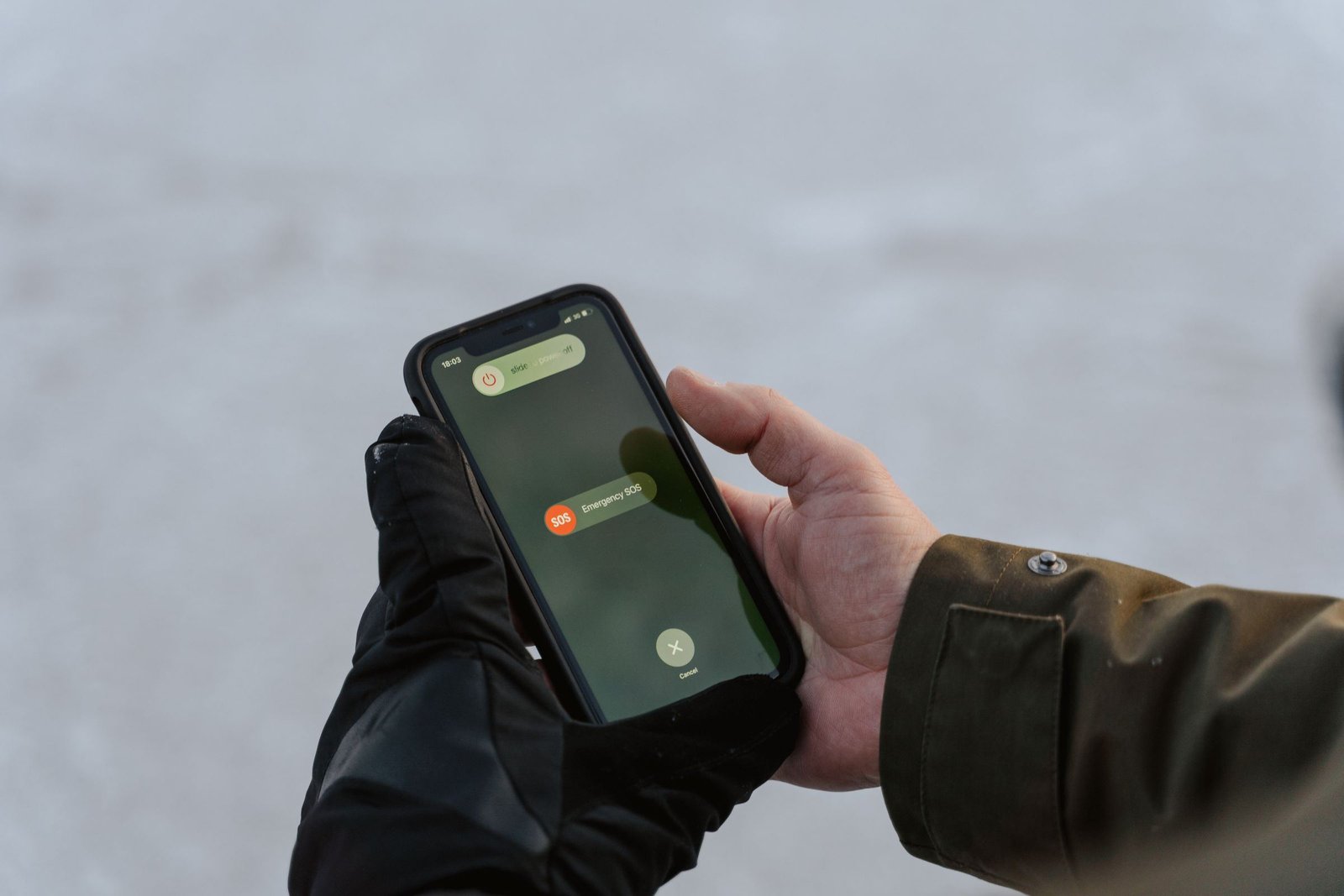
Did you use opioids while on buprenorphine? First, check for signs of an overdose. If someone is unresponsive, breathing slowly, or has blue lips, call 911 right now. If naloxone is on hand, give it as the directions say. For next steps beyond immediate safety, our guide on what to do after relapse outlines how to reconnect with your care team.
If you are stable and not in immediate danger, call your buprenorphine prescriber or treatment team right away. Tell them exactly what happened. Do not stop, restart, or change your buprenorphine on your own. Going back to use means it is time to reconnect with care. It is not proof that treatment failed. If you need to find a new prescriber, our guide to finding buprenorphine prescribers covers verification and cost checks.
We are a U.S. treatment directory, not a treatment provider. This guide offers general information to help you navigate next steps with your care team.
Steps to Take After Using Opioids While on Suboxone
If a person is hard to wake, breathing slowly or shallowly, or has blue or gray lips or skin, call 911 now.[1] These are signs of a possible opioid overdose.
If you have naloxone, give it as soon as possible when an overdose is suspected.[2] Follow the product instructions for the specific kit you have. Naloxone can reverse an opioid overdose.[2] Even if the person responds to naloxone, they still need emergency help because symptoms can return.[3] Stay with the person until help arrives.
If you are dealing with thoughts of suicide or self-harm, call or text 988.[4] If you are in immediate danger, call 911 or go to the nearest emergency room.
If you do not have emergency signs, reach out to your buprenorphine prescriber or treatment team right away. Do not change your medication dose without their guidance. You can learn more about recognizing an opioid overdose in our guide on recognizing an opioid overdose.
- Check responsiveness and breathing. See if the person wakes up and if their breathing is normal.
- Call 911 if overdose is possible. Look for signs like slow breathing or blue lips.[1]
- Give naloxone if available. Use it according to its product instructions.[2]
- Stay with the person. Wait for emergency responders to arrive.[3]
- Contact your care team. If it is not an emergency, reach out to your prescriber promptly.
- Wait for guidance on meds. Do not adjust your buprenorphine dose on your own.
Relapse on Buprenorphine: What Comes After?
Using opioids while on buprenorphine is not a moral failure. You deserve support. Buprenorphine is a partial opioid agonist that can lower cravings and ease withdrawal symptoms.[5]

35.2%
of urine samples in the taper group tested negative for opioids[6]
53.2%
of urine samples in the maintenance group tested negative for opioids[6]
The study looked at two groups: one tapered off buprenorphine, and the other kept taking it. These results are sample-level, not the chance of a negative test. They are not a universal relapse rate. They do not predict what will happen to you.
Drugs bought on the street are hard to predict. They often contain fentanyl or other strong substances.[7] Mixing buprenorphine with alcohol or sedatives raises the risk of overdose.[5]
Returning to use is a signal to seek help. It is not something to feel ashamed about. Share your current situation with your care team. They can help you review your plan and adjust it if needed. You can read more about managing cravings on medication here. You can also learn more about is MAT just trading addictions here.
Reach Out to Your Buprenorphine Treatment Team
Contact your treatment program or prescriber as soon as possible. After using opioids again, this is the best move. Keeping it hidden makes getting help harder. Your care team has dealt with this. They want to keep you safe.
They will check what you need. ASAM guidance says buprenorphine treatment is made for each person.[8]
What to Tell Your Treatment Team
Your ticks are saved on this device only.
Immediate safety
Address any urgent medical needs first. If you are in danger, call 911 or go to the nearest emergency room.
When stable
Contact your prescriber or treatment team to report what happened.
Follow-up
Review the event with your care team and agree on next steps together.
Our guide on requesting medication-assisted treatment has tips if you are not sure how to start the talk. It covers how to speak with providers. Going back to opioid use disorder treatment takes strength. Your buprenorphine treatment support team is ready to help you go on.
Buprenorphine Side Effects, Dependence, and Addiction
Worrying about how buprenorphine impacts your body is normal. Knowing the difference between physical dependence and addiction can help. Our guide to medications for opioid use disorder breaks down the difference between physical dependence and addiction.

| Feature | Physical Dependence | Addiction |
|---|---|---|
| What it means | Your body adapts to the medication over time. | A complex condition involving compulsive use despite harm. |
| Key distinction | It does not, by itself, mean a person has an addiction.[9] | Only a qualified clinician can check an individual situation. |
When you start or switch buprenorphine, mild side effects are common. Headache is one of the top reported issues. Nausea, constipation, and dizziness are also frequent.[9] These often fade as your body adjusts. Let your prescriber know about any new, severe, or worrying signs you see. Our guide to buprenorphine side effects covers how long they typically last and what safety checks to watch for.
Certain buprenorphine products melt in the mouth. These forms have been tied to serious dental problems.[10] The FDA has issued warnings about these risks for people using these medicines for opioid use disorder or pain.[10] If you are worried about your teeth or gums, speak with your dentist or prescriber. They can help you look after your mouth while you stay on treatment.
How safe it is long term depends on the product and the person. Known risks, such as dental problems with some formulations, exist. Other long-term effects need ongoing monitoring by a healthcare professional. Talk to your prescriber about your specific worries and any lasting symptoms to find the best path for your health.
How Long You Stay on Buprenorphine and Ending Care
No set time limit exists for buprenorphine. ASAM does not set a fixed end point for treatment.[11] Your prescriber helps you figure out what is right for you. If you are weighing other maintenance options, our guide to methadone maintenance treatment explains how that path works.
Some people worry about stopping for two reasons. First, leaving the medicine can bring on withdrawal symptoms. Second, your body may lose its tolerance to opioids. If you quit and use opioids later, a past dose can be dangerous.[12] Our guide to taper off buprenorphine explains how to reduce your dose safely and manage withdrawal symptoms.
Do not alter or end your dose based on an article. Do not do it after one slip-up. Speak to your prescriber before making any changes.
ASAM states you should understand the risks and benefits of your care. You should help shape these decisions.[13] Ask questions and share any worries. Build a plan with your doctor that fits your life.
Ongoing care
You take your medicine as prescribed. You see your prescriber for regular check-ups.
Shared talk
If you want a change, you meet with your prescriber. You talk about risks, benefits, and other options together.
Next steps
If you change treatment, you follow a plan from your clinician. You keep getting support to stay safe.
Handling Cravings and Finding a Safe Path Forward
Using opioids again does not wipe out what you have done. It is not a sign that your treatment failed. It does not mean you gave up.
If you are helping someone, try to listen without judging them. NIDA suggests using words that show a true, science-based view of substance use disorder.[14] Helping them get back to care works best. Threats or shame do not help. You cannot decide for them, but you can offer to help with the next call.
Safety matters when you stay in treatment. Treatment with medications for opioid use disorder is associated with reduced risk of overdose death compared with being out of treatment.[15] If cravings feel overwhelming, talk to your prescriber about ways to manage them. If you are not sure about this path, ask your care team for more info. Our guide to cravings on mat offers coping tools and signs that it is time to call your doctor.
For suicidal thoughts, call or text 988.[4]
The questions below can start a talk with your care team. They are not a safety check or a diagnosis.
Prompts for Your Care Team Conversation
These questions are for discussion with your healthcare provider and are not a diagnosis.
Get Ongoing Care and Support
When you feel safe, make a solid plan for ongoing care. You are not alone in this. Staff can link you up with local treatment facilities, support groups, and community-based organizations.[16] If you are considering peer support, our guide to 12 step groups and MAT explains how to find medication-supportive meetings.

Share what happened with your prescriber. Ask if you should keep taking buprenorphine or switch to a different plan. Also ask how to tweak your current routine. Need extra help? Check out outpatient opioid treatment options that match your day-to-day life.
When You Contact a Program
Your ticks are saved on this device only.
Frequently Asked Questions
I used opioids while on Suboxone. What should I do now?
Check for overdose signs first. Look for slow breathing, blue lips, or being hard to wake up. If you see these, call 911 or go to the ER now. If you are safe, call your prescriber or team soon. Do not stop or change your meds without them.
Is it dangerous to use opioids while taking buprenorphine?
Yes, it can be risky. Buprenorphine does not make opioid use safe. Other drugs and unknown supplies add more risk. If you think an overdose is happening, use the emergency steps at the top of this page.
What is the relapse rate for Suboxone?
There is no single number that predicts your outcome. Results vary based on who was studied and for how long. They also depend on how success was measured. Your path will look different from others'.
Should I stop taking buprenorphine after using opioids?
Do not stop or change your meds on your own. Call your prescriber to ask what to do next. Using opioids again is a good time to talk about support. Your care team can help adjust your plan.
What does Suboxone do to someone who is not opioid-dependent?
Effects vary from person to person. It can be misused for its high, especially by people not used to opioids.[17] Never take meds not prescribed to you. Ask a clinician about any questions you have.
Is 8 mg of Suboxone a day a lot?
Is it normal to be on Suboxone for 10 years?
How long does it take to become physically dependent on Suboxone, and why can stopping be hard?
Dependence can happen during normal treatment. This is not the same as addiction. There is no fixed timeline for everyone.[20] Stopping suddenly can cause withdrawal symptoms that range from mild to severe.[20] These symptoms are usually managed by doctors or through a slow taper.[20] Talk with your prescriber before stopping or trying to handle withdrawal alone.